
- Home
- Paver Services
Paver Installation Services In Denver, CO
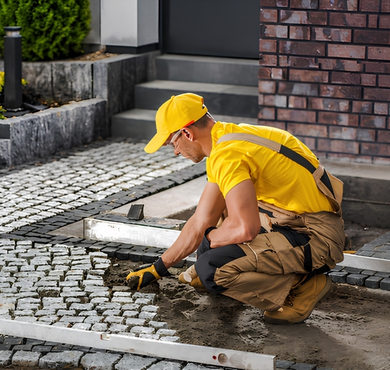
A paver surface usually fails at the edges, joints, or base before the units themselves are the problem. Kettle River LLC provides paver system installation services in Denver with attention to load capacity, drainage, pattern direction, joint sand, and the surface’s connection to the rest of the property.
- Denver’s Trusted Hardscape Company
Transforming The Outdoor Look Of Your House With Exceptional Paver Work
A patio does not carry the same stress as a driveway, and a walkway should not be built like a square sitting area. Our approach to residential paver installation changes with the surface: vehicle weight, turning pressure, foot traffic, runoff, borders, and the surrounding landscape all matter before layout begins.
Driveway paver services need more than a decorative pattern. Vehicle weight, tire turning, garage approach, apron edges, and residential driveway edging all affect base depth, paver thickness, and how the field should be restrained.
Paver patio construction is about usable space: furniture placement, grill access, chair movement, door clearance, and where water leaves the surface. The pattern can look sharp, but the patio still has to work under daily foot traffic.
Paver walkway installation should guide movement without creating trip points, tight turns, or awkward steps across the yard. Outdoor pathway construction needs attention to width, curve radius, slope, garden edges, and where the walkway meets patios or driveways.
Loose joints are often the first sign that a paver system is losing its lock. Paver joint sand stabilization, edge restraint checks, surface cleaning, and sealing can help restore the field before movement spreads too far.

- About Our Company
Paver Contractors In Denver With 50 Years Of Exterior Construction Experience
Kettle River LLC brings long job-site experience to patios, driveways, walkways, repairs, restoration, and custom paver layouts in Denver. Instead of treating every surface the same, we assess traffic, drainage, edge behavior, and material fit before work begins.
Surface Diagnosis
Stone paver repair services start with the reason for failure: loose edges, washed joints, poor base, trapped water, or surface overload.
Pattern Decisions
Paver pattern design affects direction, cuts, border lines, surface movement, and how the hardscape reads from the house.
Material Fit
Natural stone vs concrete pavers is not only a style choice; texture, thickness, maintenance, and surface use all matter.
Maintenance Timing
Paver restoration and sealing work best before joint loss, edge creep, staining, or surface movement becomes widespread.
- Benefits Of Expert Service
How Well-Built Paver System Changes Outdoors
A well-planned paver surface gives patios, driveways, and walkways a clearer structure without locking homeowners into one permanent slab. Individual units can be serviced, patterns can define outdoor zones, and surface problems can be addressed more precisely.
Frequently Asked Questions
Why do pavers usually move at the edges before the center fails?
Edges take lateral pressure from walking, vehicle turning, lawn movement, and water washing through joints. If the restraint is weak, the paver field can slowly spread, even when the center still looks level. Border courses and edge supports are critical for holding alignment.
How are driveway paver services different from a backyard paver patio?
Driveway pavers need to handle vehicle weight, tire scuffing, turning pressure, and garage approach transitions. A patio is usually planned around furniture stability, walking comfort, and drainage pitch. Both use pavers, but the base depth and edge treatment differ.
When does paver restoration and sealing make sense instead of replacement?
Restoration works when the paver field is mostly stable but has joint loss, staining, fading, minor settlement, or loose isolated sections. Replacement is usually better when the base has failed broadly, edges have spread, drainage is poor, or the surface no longer supports its intended use.
Should homeowners choose natural stone pavers or concrete pavers?
Natural stone pavers offer varied color, texture, and a less uniform surface. Concrete pavers provide consistent sizing, a broad range of pattern options, and easier layout control. The right choice depends on the surface location, traffic, maintenance preference, budget, and surrounding hardscape materials.
What should be checked before adding a paver walkway to an existing yard?
A walkway should be planned around grade changes, drainage paths, door and driveway connections, garden edges, turning points, and a comfortable width. If those details are ignored, the walkway may feel narrow, collect water, or create awkward transitions with nearby hardscape.

- Planning A New Project?