
- Home
- Interlocking Paver Systems
Interlocking Paver System Installation In Denver, CO
Interlocking pavers work because the surface acts as a continuous field rather than a group of loose blocks. Kettle River LLC builds patio, driveway, and walkway systems in Denver, CO, around base depth, joint friction, pattern direction, edge restraint, and the load each surface must carry.
- Complex Paver System Designs
Interlocking Paver System From The Base To The Border
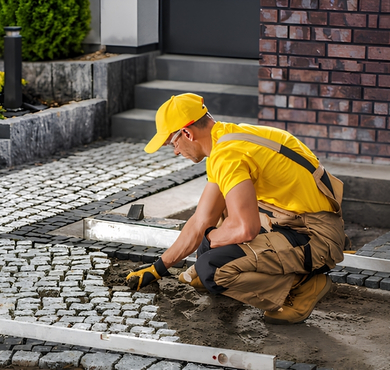
The strength of an interlocking surface comes from the full assembly: compacted base, bedding layer, paver fit, joint sand, pattern geometry, and restrained edges. For interlocking paver design-and-build projects, our team assesses how pressure moves across the field before deciding how to install the layout.
Paver joint friction helps individual units act together. Sand-filled joints, tight spacing, and proper compaction allow the field to transfer pressure across the surface instead of letting individual pavers move independently.
Interlocking patio and driveway pavers do not carry the same weight. Vehicle areas require more robust base planning, while patios need a stable footing for furniture, foot traffic, and outdoor living without rocking or edge creep.
Mechanical interlocking patterns, such as herringbone, running bond, and basket weave, influence how force moves through the paver field. The pattern should match the surface, especially where tires turn, people walk, or borders meet the lawn.
Permeable interlocking systems can help manage runoff when the site supports them. They require more than wider joints; the base, aggregate layers, soil drainage, pitch, and outlet path must all be reviewed together.

- About Our Company
Interlocking Concrete Paver Contractors With Real Assembly Knowledge
Kettle River LLC brings 50 years of exterior construction experience to custom interlocking stone systems, residential interlocking paver builds, and durable hardscape assemblies. The work is not just laying a pattern; it is controlling how a surface holds together under pressure, water, and seasonal movement.
Edge Restraint
Structural edge restraints keep the paver field from spreading, especially along driveways, lawn edges, curves, and open patio sides.
Base Engineering
Interlocking stone base engineering considers excavation depth, aggregate type, bedding thickness, compaction, and the intended use of the surface.
Field Compaction
Compaction seats the pavers, increases joint friction, and helps the system behave as a single connected hardscape surface.
Material Choice
Interlocking concrete blocks, stone pavers, and permeable units each carry different installation, maintenance, and drainage requirements.
- Interlocking Base & Edge
How Interlocking Pavers Change The Outdoor Look
A correctly assembled interlocking paver system provides patios, driveways, and walkways with a flexible surface that can distribute loads, manage movement, and allow targeted repairs without replacing the entire hardscape field.
Frequently Asked Questions
How does an interlocking paver system actually stay together?
The system relies on base support, tight paver spacing, joint sand, compaction, pattern geometry, and edge restraint. Those parts work together to create friction and transfer pressure across the field, so the surface behaves more like a connected pavement system.
Why is edge restraint critical for interlocking patio and driveway pavers?
Edge restraint keeps the paver field from spreading outward under foot traffic, vehicle turning pressure, water movement, and seasonal expansion. Without a controlled border, the pattern can open up, joints can lose sand, and the surface can start shifting inward from the sides.
Are permeable interlocking systems useful for Denver properties?
They can be useful where surface runoff needs better management, but the site must support drainage below the pavers. Soil type, slope, aggregate storage depth, outlet path, and maintenance needs all matter. Permeable systems should not be chosen by joint width alone.
Which interlocking pattern works best for driveway paver areas?
Herringbone is often preferred for driveways because its angled pattern distributes turning pressure well. Other patterns may suit patios or walkways, but driveway areas need a layout that handles vehicle load, tire movement, edge stress, and repeated entry or exit traffic.
What usually causes an interlocking paver surface to lose its lock?
Loss of lock usually comes from joint sand washout, weak edge restraints, poor compaction, a thin base, trapped water, or repeated load beyond what the surface was built for. Once the field opens, movement tends to spread unless the cause is corrected.

- Planning A New Project?