
- Home
- Masonry & Hardscape
Masonry & Hardscape Services In Denver, CO
Stonework has a way of exposing shortcuts. A wall line that drifts, a veneer corner that feels thin, or mortar joints that weather too fast can change the whole exterior. Masonry and hardscape services in Denver, CO, should balance structure, finish, material fit, and outdoor exposure.
- Stone, Brick & Outdoor Features
Premium Masonry Work With Notable Creative Details
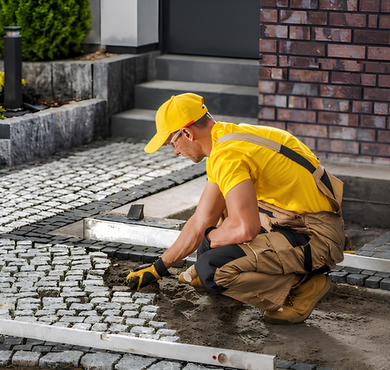
A patio may be judged by its surface, but masonry is judged by its joints, corners, caps, cuts, and transitions. Kettle River LLC brings 50 years of exterior construction experience to premium masonry construction in Denver, custom stone masonry services, brickwork, veneer applications, and architectural outdoor features.
Natural stone sourcing affects color, thickness, texture, edge shape, and how the finished masonry fits the home. The wrong stone can make a feature feel disconnected, even when the installation itself is clean.
Masonry mortar joints do more than fill space. Joint depth, tooling, color, and weather exposure affect how brick and stone masonry work ages, sheds moisture, and reads visually from close range.
Custom stone veneer applications need good corners, clean returns, correct adhesion, moisture awareness, and cap coordination. Veneer should look integrated into the hardscape, not pasted over a surface without depth.
Masonry repair and restoration should start with identifying the cause of the damage: moisture, movement, failed joints, loose stone, poor base support, or weathered materials. Cosmetic patching rarely holds if the underlying issue remains.

- About Our Company
Custom Stone Masonry & Hardscape Design With Field Experience
Kettle River LLC builds natural stone walls, decorative masonry hardscapes, custom garden masonry, and premium backyard stone installations. Our work is shaped by stone behavior, outdoor exposure, installation methods, and how masonry features connect to patios, walls, walkways, and outdoor living areas.
Stone Craft
Residential stone craftsmanship depends on fitting, cutting, joint control, and material judgment, not just stacking stone neatly.
Brick Work
Brick and stone masonry work needs alignment, stable base support, weather-aware mortar, and clean transitions into nearby hardscapes.
Feature Design
Architectural stone features should feel connected to the home, not dropped into the yard as isolated decoration.
Finish Control
High-quality stone finishes depend on surface texture, cap choices, joint style, edges, and the way sunlight falls on the masonry.
- Stone, Joint, Texture, Finish
What Premium Masonry Adds To Outdoor Hardscape Work
Masonry can give a yard weight, definition, and architectural character. The right stone wall, veneer detail, garden edge, or brick feature can make an outdoor space feel finished without relying on overbuilt or overly decorative design.
Frequently Asked Questions
When should homeowners choose full-depth stone instead of stone veneer?
Full-depth stone may be better for freestanding walls, heavy structural features, or projects where mass and natural depth matter. Stone veneer can work well on prepared surfaces, columns, kitchen islands, and feature walls, but it needs proper backing, adhesion, moisture control, and cap details.
Why do masonry mortar joints crack or wash out over time?
Mortar joints can fail because of moisture exposure, freeze-thaw movement, poor mortar choice, weak tooling, movement in the base, or drainage problems near the feature. Repair should include the cause, not just filling the visible cracks with new mortar.
How should new masonry be matched to existing patios, walls, or walkways?
Matching should consider stone color, scale, joint width, mortar tone, edge style, cap material, and surrounding hardscape lines. An exact match is not always possible, but careful material selection and transition planning can make new masonry feel intentional.
What makes architectural stone features different from basic landscape edging?
Architectural stone features are planned as visible design elements, such as columns, wall faces, seating edges, entry features, or garden masonry. They need stronger attention to proportion, finish, joint detail, cap treatment, and their relationship to the home and outdoor layout.
Can older stone or brick hardscape be restored instead of replaced?
Often, yes, if the base is stable and most materials are reusable. Restoration may include resetting loose units, repointing mortar joints, cleaning stains, replacing broken pieces, and improving drainage. Replacement is better when movement, moisture damage, or material failure is widespread.

- Planning A New Project?