
- Home
- Retaining Wall Construction
Retaining Wall Installation Services In Brush, CO
A retaining wall should solve the grade problem without making the yard harder to use. Retaining wall installation services in Brush, CO, should manage soil pressure, water movement, backfill, and usable outdoor space together.
How Grade Work Is Structured For Straight Surfaces Of Your Yard
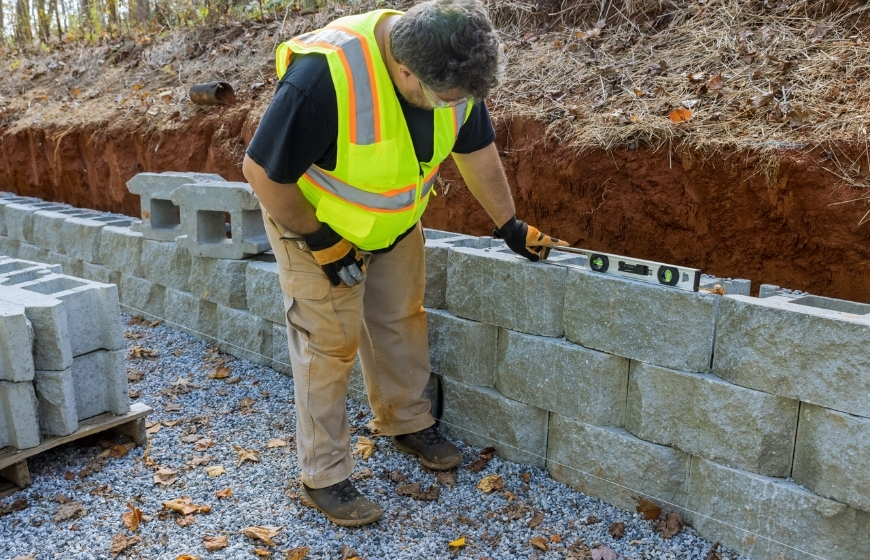
Kettle River LLC plans retaining wall installation by studying wall height, slope direction, water flow, access, and the surfaces around the wall. Footer depth, backfill space, drainage stone, and material choice all need to fit the yard before the wall face is selected.
Customizing Retaining Wall Designs Based On Your Choice And Taste
Some yards need smaller levels instead of one long wall. Tiered landscape wall construction, garden retaining wall installation, erosion control wall construction, and custom stone retaining walls can support planting beds, define usable ground, reduce washout, and create cleaner slope management solutions.
Drainage-Exit Planning
Water behind the wall needs gravel, pipe, outlet routes, and grading that move pressure away from the structure.
Garden-Level Support
Walls can support raised beds, patio edges, lawn sections, or planting areas when soil and water are managed correctly.
How Our Exterior Hardscape Experts Build Retaining Walls
With 50 years in business, Kettle River LLC brings construction judgment to residential landscape retaining walls, masonry, hardscape, and landscape leveling and grading. We review soil pressure, wall height, drainage, access, nearby surfaces, and long-term maintenance before building.
Pressure-Read Planning
We consider retained soil, slope angle, water load, footing depth, and reinforcement needs before choosing materials.
Yard-Use Placement
Walls are planned around gardens, paths, patios, fences, lawn edges, and the way people maintain the property.
Frequently Asked Questions
When does a yard in Brush, CO, need a retaining wall instead of simple edging?
Simple edging works for light separation, but a retaining wall is needed when soil height, runoff, or slope pressure must be held back. If a bed is washing out, a patio edge is losing support, or the grade keeps moving, wall structure becomes more important than decoration.
What should be considered before choosing boulder or block retaining walls?
Boulder walls need access for larger stone and enough space for gravity wall construction. Block walls may fit tighter layouts or cleaner lines. The choice should account for wall height, slope, drainage, equipment access, finished appearance, and how the wall connects to nearby yard areas.
How does drainage affect retaining wall life?
Drainage controls pressure. Water trapped behind a wall can push against the structure, soften backfill, wash out soil, and increase freeze-thaw movement. Drainage aggregate, pipe, outlet paths, and finished grading help the wall manage water instead of fighting it.
Can tiered walls make a sloped yard easier to maintain?
Yes. Tiered walls can divide a slope into smaller, more usable levels for planting, walking, or lawn maintenance. They can also reduce the visual weight of one taller wall, improve access, and create better drainage routes when planned with enough spacing.
Why do retaining walls crack or lean even when the surface material looks strong?
Cracking or leaning often starts behind or below the wall. Weak footer preparation, loose backfill, poor compaction, missing drainage, or too much soil pressure can move the structure over time. The face material may be solid, but the support system controls performance.
Let’s Discuss This Over Coffee!
Tell Kettle River LLC what needs fixing, rebuilding, or connecting, and we’ll help you plan the next outdoor improvement with practical construction judgment.