
- Home
- Brick Driveway Installation
Brick Driveway Installation Services In Denver, CO
Brick gives a driveway a different kind of presence: patterned, architectural, and less slab-like than plain concrete. For brick driveway installation services in Denver, CO, the real work lies beneath the surface, where base depth, pattern choice, drainage, and edge restraint determine how the field holds.
- For Classic Load-Bearing Surfaces
Brick Driveways Depending On Pattern Strength For Everyday Use
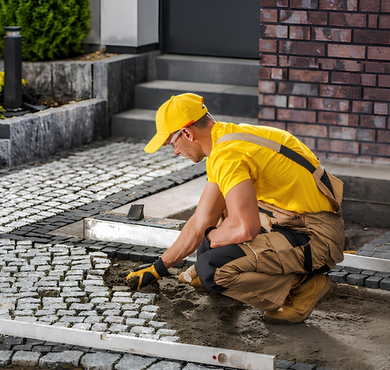
Clay brick load-bearing capacity matters, but the layout carries its own responsibility. Herringbone, running bond, border courses, and driveway edges all change how tire movement travels through the surface. Kettle River LLC plans brick driveway paving around traffic paths, slopes, joint lock, and where the driveway meets the street.
A driveway built with clay brick must account for vehicle weight, repeated parking, tire turning, and stress near garage aprons. The brick, base, and bedding method should work together, not as separate decisions.
Herringbone and running bond patterns do more than change the look. Herringbone often handles turning stress better, while running bonds can guide visual direction, especially on longer driveway runs or narrow access areas.
Driveway drainage and slope requirements are not optional with brick. Water moving through joints, toward the garage, or along open edges can soften bedding material, disturb joint sand, and create winter maintenance problems.
Brick driveway edges need restraint because vehicle movement pushes outward over time. Border courses, edge systems, and nearby landscape transitions all help keep the brick field from spreading, opening joints, or losing alignment.

- About Our Company
Residential Brick Paving Contractors With 50 Years Of Exterior Building Experience
Kettle River LLC brings field-tested construction judgment to new brick driveway paving in Denver, residential clay brick masonry services, brick driveway repair, and architectural brick driveway construction. Brickwork rewards patience, especially where pattern alignment, joints, and slope meet vehicle load.
Masonry Sense
Clay brick behaves differently from concrete pavers, especially in texture, edge wear, color variation, and surface absorption.
Base Preparation
Driveway sub-base preparation controls settlement, drainage response, joint movement, and the surface's response to repeated vehicle loads.
Joint Stability
Brick joint sand stabilization helps maintain pattern lock, reduce washout, and limit weed pressure between individual units.
Surface Care
Brick surface sealer applications can enhance stain resistance and weather resistance in brick masonry when applied after cleaning and joint review.
- How Brick Driveways Work
Benefits Of Resurfacing Driveways Properly
A brick driveway can bring texture, curb appeal, and repair flexibility to a residential exterior. When the base, pattern, edge restraint, and drainage are handled correctly, the surface feels intentional rather than merely decorative.
Frequently Asked Questions
Is clay brick strong enough for residential driveway use?
Clay brick can work for residential driveways when the right brick type, thickness, bedding method, base depth, and edge restraint are used. The surface must be planned for vehicle load, not treated like a garden walkway or decorative patio border.
Which brick pattern is better for driveway traffic: herringbone or running bond?
Herringbone is often better for areas with turning or braking because the angled pattern helps distribute stress across the field. Running bonds can work on straighter driveway runs, but high-load zones usually need a pattern that limits shifting and joint opening.
Why do brick driveways sometimes open at the joints or spread near the edges?
Joint opening and edge spread usually come from weak edge restraint, washed-out joint sand, tire pressure, poor compaction, or water softening the bedding layer. Once the border moves, the field can loosen, especially near aprons, curves, and open sides.
Does a brick driveway need sealing in Denver’s climate?
Sealing can help manage staining, moisture absorption, surface wear, and color preservation, depending on the brick and exposure. It should be done after cleaning and joint review. Sealer cannot correct poor drainage, rocking bricks, or base settlement.
When does brick driveway repair become full reconstruction?
Spot repair may work for isolated loose bricks or minor joint loss. Reconstruction is usually smarter when the base has failed, large sections are uneven, drainage keeps washing out joints, or the driveway pattern has spread beyond simple resetting.

- Planning A New Project?