
- Home
- Landscape Edging & Borders
Landscape Edging & Border Installation In Denver, CO
Borders do quite the work in a yard: they hold mulch, separate lawn from planting beds, frame walkways, and keep hardscape edges from looking unfinished. Landscape edging and border installation in Denver, CO, should be planned with material movement, drainage, maintenance, and long-term bed definition in mind.
- For Cleaner Lawn, Garden & Hardscape Lines
Planning How Edging Works Best In Outdoor Spaces
A good border is not only a line on the ground. It manages transitions between turf, stone, mulch, patios, walkways, and garden beds. Kettle River LLC provides residential landscape edging services in Denver, focusing on edge restraint, water movement, material fit, and the long-term maintenance of each border.
Landscape bed definition helps planting areas look intentional and easier to maintain. A border should follow the actual shape of the yard, not create tight corners that trap debris, cut awkwardly through turf, or make mowing harder.
Stone and brick edge restraint helps keep pavers, gravel, mulch, and soil from spreading into lawn or walkway areas. The right restraint depends on surface height, traffic, soil movement, and the material on each side.
Hardscape border drainage matters where water crosses planting beds, paths, patios, or lawn edges. A border should not trap runoff, create soggy mulch pockets, or force water toward a walkway or foundation-adjacent area.
Custom edge profile and finish choices affect how the border looks and behaves. Raised stone, flush brick, soldier courses, curved garden edging, and masonry borders each create a different level of visibility, maintenance, and separation.

- About Our Company
Decorative Stone & Brick Border Builders With Hardscape Expertise
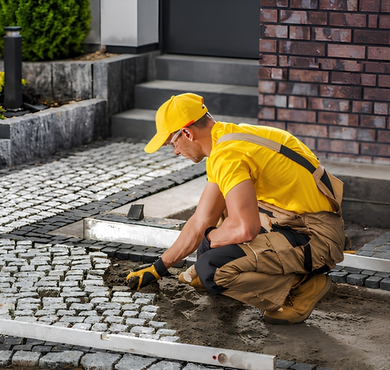
Kettle River LLC brings 50 years of exterior construction experience to professional hardscape edging installation, decorative masonry garden borders, custom garden bed border designs, and durable landscape border construction in Denver. Small details matter here because crooked borders make the whole yard look unfinished.
Material Sense
Colorado-weather-resistant edging materials should handle sun, snowmelt, irrigation, freeze-thaw movement, and routine yard maintenance.
Lawn Control
Lawn-to-garden separation techniques help reduce grass creep, mulch spillover, and blurred edges around planting areas.
Masonry Detail
Expert masonry landscape border installers use stone, brick, and paver details to create borders that feel built-in rather than temporary.
Transition Fit
Hardscape transition zones connect patios, walkways, beds, and lawns without abrupt height changes or awkward material breaks.
- Focusing On Edge & Drainage
How A Planned Border Enhances A Yard
A well-built border makes the yard easier to read, maintain, and move through. It gives beds sharper limits, keeps materials contained, improves hardscape transitions, and helps outdoor features feel more intentionally connected.
Frequently Asked Questions
What is the best material for landscape edging in Denver?
The best material depends on the border’s job. Stone works well for heavier, natural-looking edges. Brick creates crisp lines near patios or walkways. Paver borders can tie into the existing hardscape. Colorado weather, irrigation, mowing habits, and soil movement should guide the choice.
Should landscape edging be raised or flush with the lawn?
Raised borders add visual definition and help hold mulch or gravel, but they may require more trimming. Flush edging can make mowing easier and create a cleaner lawn transition. The better option depends on maintenance preferences, bed shape, drainage, and nearby hardscape surfaces.
Why do garden borders shift or become uneven over time?
Borders can move because of weak base support, freeze-thaw movement, soil pressure, mower impact, water flow, or insufficient edge restraint. Stone and brick borders need a stable setting method, especially where they meet lawn, gravel, pavers, or sloped planting beds.
Can edging help stop grass from creeping into garden beds?
Edging can reduce grass creep when installed with the right depth, material, and separation detail. It is not maintenance-free, but a well-planned border creates a stronger barrier between turf and planting areas, making trimming and bed upkeep more manageable.
When should a garden border be built with masonry instead of flexible edging?
Masonry borders make sense when the edge needs a finished hardscape look, stronger containment, better durability, or a match with patios, walkways, stone walls, or outdoor living features. Flexible edging may work for simple beds, but it usually lacks the visual weight of a solid edging.

- Planning A New Project?