
- Home
- Retaining Wall Construction
Retaining Wall Installation Services In Northglenn, CO
A slope can quietly take over a yard: mulch slides, soil washes out, and patio edges lose support. Retaining wall installation services in Northglenn, CO, should manage pressure, drainage, and usable grade together.
Turn A Problematic Slope Into A Smooth Outdoor Space Element
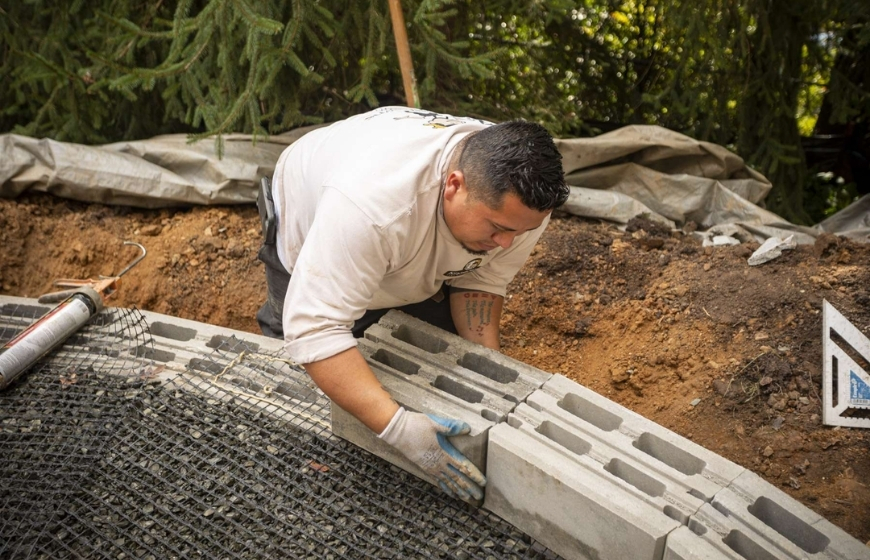
Kettle River LLC approaches retaining wall design and build by reading the slope first. Wall height, soil type, backfill space, water movement, footer depth, access for materials, and nearby loads all shape the build before block, boulder, or stone is selected.
What Are The Details That Decide How The Structure Performs
For yards that need more usable space, tiered walls can step the grade down in sections instead of forcing one tall face. That approach can support planting shelves, safer transitions, better drainage paths, and more intentional landscape leveling and grading.
Pressure-Managed Walls
Wall design should account for retained soil, drainage buildup, surcharge loads, freeze-thaw movement, and the space available for proper backfill.
Slope-To-Patio Support
A retaining wall can protect patio edges, garden beds, walkways, and lawn areas when grade changes push soil toward usable space.
Why Kettle River LLC Plans Retaining Walls Before Choosing The Face Material
With 50 years in business, Kettle River LLC brings construction judgment to residential landscape retaining walls, masonry, hardscape, and slope management solutions in Northglenn. We look at water, soil pressure, access, wall height, footer depth, and nearby outdoor features before the finish is chosen.
Drainage-First Thinking
Landscape drainage systems, outlet paths, and clean backfill help reduce pressure behind the wall.
Yard-Leveling Logic
Walls are planned to improve grade transitions, not just create a vertical edge in the landscape.
Frequently Asked Questions
How tall can a retaining wall be before it needs more advanced planning?
Height changes the entire wall design. Taller walls hold more soil pressure and may need deeper footers, drainage systems, reinforcement, setbacks, or engineered wall design. The load above the wall, soil type, slope angle, and nearby patios or driveways also affect planning.
What does drainage stone do behind a retaining wall?
Drainage stone gives water a path to move instead of collecting directly behind the wall. Without that drainage zone, trapped moisture can increase pressure, push the wall forward, soften backfill, and worsen freeze-thaw movement during Colorado weather cycles.
When does a boulder wall make more sense than a concrete block wall?
A boulder wall may fit when the yard has enough access for large stone, the design calls for a natural look, and the slope can be managed with gravity wall construction. Concrete blocks may work better for tighter lines, reinforcement, or more controlled tiering.
Can a retaining wall create a flatter garden or seating area?
Yes. A properly planned wall can support landscape leveling and grading, turning a sloped section into a planting bed, small lawn, path edge, or seating zone. The layout still needs drainage, safe transitions, and enough room behind the wall for backfill.
Why do some decorative retaining walls fail even when they look well-built?
Decorative walls can fail when the structure behind the finish is treated too lightly. Poor footer preparation, missing drainage, loose backfill, weak compaction, or too much retained soil can cause leaning, cracking, bulging, or separation, even if the surface material looks attractive.
Let’s Discuss This Over Coffee!
Tell Kettle River LLC what needs fixing, rebuilding, or connecting, and we’ll help you plan the next outdoor improvement with practical construction judgment.