
- Home
- Retaining Wall Construction
Retaining Wall Installation Services In Wheat Ridge, CO
A retaining wall should hold the grade without making the yard feel boxed in. Retaining wall installation services in Wheat Ridge, CO, should manage soil pressure, drainage, wall height, and everyday outdoor use together.
When A Garden Edge Turns Into A Real Grade Problem
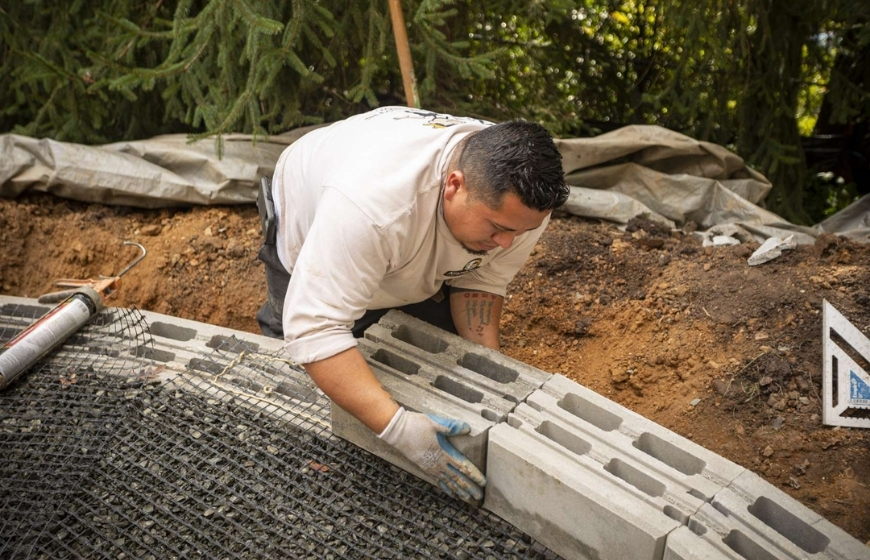
Kettle River LLC plans retaining wall design and build work by reading the slope, soil condition, access, wall height, and water movement before choosing a wall face. The goal is not just to hold back soil. It is to make the yard cleaner, safer, and easier to maintain.
Boulder, Block, Or Stone Walls Built Around Usability & Access
Some yards need smaller, more thoughtful interventions instead of one dominant wall. Garden retaining wall installation, tiered landscape wall construction, erosion control wall construction, or custom stone retaining walls can support planting zones, create flatter edges, and manage slope transitions without overwhelming mature landscaping.
Garden-Wall Support
Planting beds need walls that manage soil, irrigation, mulch pressure, drainage, and access for maintenance.
Drainage-Outlet Planning
Water behind a wall needs a controlled path, not pressure buildup behind stone, block, or backfill.
How Kettle River LLC Installs Retaining Walls With The Yard’s Existing Elements
With 50 years in business, Kettle River LLC brings construction judgment to residential landscape retaining walls, masonry, hardscape, and slope management solutions. We review grade, water paths, backfill space, wall access, material fit, and surrounding patios or plantings before building.
Soil-First Decisions
We consider soil pressure, drainage load, wall height, footer depth, and backfill room before selecting materials.
Landscape-Aware Placement
Walls are planned around gardens, patios, walkways, fences, lawn edges, and existing outdoor routes.
Frequently Asked Questions
When does a garden border become a retaining wall issue?
A border becomes a retaining wall concern when it is holding back noticeable soil height, leaning, washing out, or pushing into a patio, walkway, or lawn edge. At that point, drainage, footer preparation, backfill, and wall strength matter more than the decorative edge.
What should be considered before replacing an older retaining wall in Wheat Ridge?
Replacement should start by identifying why the old wall moved. Common causes include trapped water, weak base material, poor compaction, shallow footing, root pressure, or too much retained soil. Rebuilding without correcting those conditions can lead to the same failure pattern.
Can a boulder retaining wall work in an established backyard?
It can, but access is the first question. Boulder walls require space for large stone delivery and placement. Mature trees, fences, narrow side yards, and existing patios may limit options. The wall also still needs drainage, base support, and proper placement.
Are tiered retaining walls useful near planting beds?
Yes. Tiered walls can create smaller planting levels, reduce pressure compared with one taller wall, and make slope changes feel less abrupt. They also allow better access for maintenance when spacing, drainage, and step placement are planned before construction.
Where should drainage from behind a retaining wall go?
Drainage should move to a safe outlet where it will not flood a patio, erode a bed, or soften the wall base. Gravel zones, pipe, weep paths, and finished grading should work together so water leaves the retained area instead of building pressure.
Let’s Discuss This Over Coffee!
Tell Kettle River LLC what needs fixing, rebuilding, or connecting, and we’ll help you plan the next outdoor improvement with practical construction judgment.