
- Home
- Retaining Wall Construction
Retaining Wall Installation Services In Arvada, CO
A failing slope can limit the whole yard: washed-out beds, leaning edges, water pressure, and unusable grade changes. Retaining wall installation services in Arvada, CO, should manage soil, drainage, backfill, and outdoor function together.
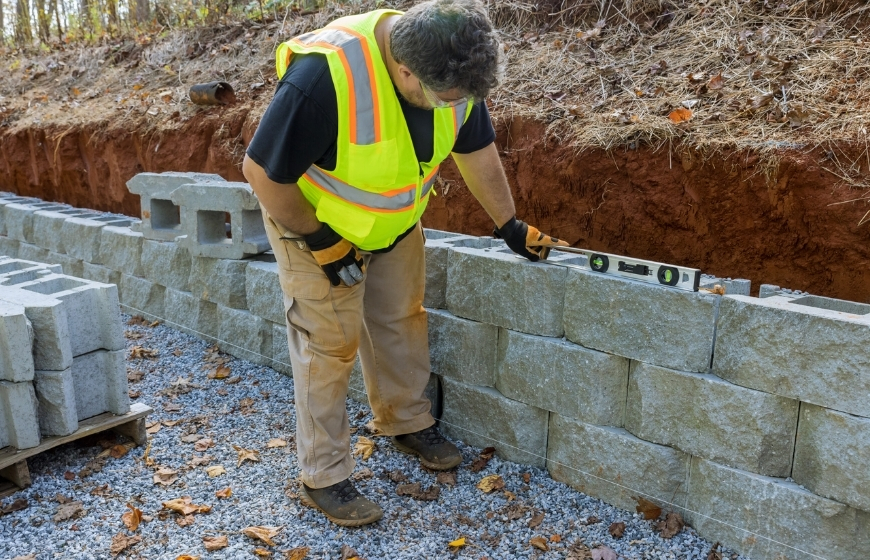
Why The Outdoor Wall Needs Special Attention On Stacked Material
Kettle River LLC plans retaining wall design-and-build work around site grading, wall footer preparation, backfill and compaction methods, drainage aggregate, outlet paths, and the load above the wall. The right wall can create safer transitions, flatter planting areas, cleaner patio edges, and more usable yard space.
Soil Pressure, Drainage & Wall Type: The Decisions That Shape A Better Build
Projects may include residential landscape retaining walls, decorative retaining wall builders, garden retaining wall installation, erosion control wall construction, slope management solutions, wall replacement, and landscape leveling around patios, steps, driveways, and outdoor living zones.
Drainage Behind Walls
Water trapped behind a wall increases pressure. Drainage stone, pipe, outlet planning, and clean backfill help reduce movement and wall stress.
Usable Grade Changes
A planned retaining wall can turn an awkward slope into a flatter lawn, planting beds, patio edges, garden tiers, or safer walking routes.
Why Kettle River LLC Builds Retaining Walls Around The Whole Yard
With 50 years in business, Kettle River LLC brings construction judgment to retaining walls, masonry, hardscape, and landscape grading. We review soil behavior, drainage, wall height, access, material fit, and nearby outdoor features before deciding how the wall should be built.
Slope-Smart Planning
We look at runoff, soil pressure, wall height, and nearby loads before choosing boulder, block, stone, or tiered wall construction.
Hardscape-Aware Details
Walls are planned with patios, driveways, walkways, steps, garden beds, and outdoor living areas in mind.
Frequently Asked Questions
What should be evaluated before retaining wall installation services in Arvada begin?
The site should be checked for slope height, soil type, drainage, access, wall length, nearby structures, and load above the wall. These conditions affect footer preparation, backfill depth, material choice, reinforcement needs, and whether the wall can be built as a gravity wall or needs engineered planning.
Why do retaining walls in Arvada start leaning or bulging?
Leaning or bulging often comes from trapped water, weak base preparation, poor backfill compaction, soil pressure, missing drainage, or freeze-thaw movement. The visible wall face may look like the problem, but the real issue is often behind or below the wall.
Are boulder retaining walls or concrete block walls better for residential yards?
Boulder walls can work well for natural-looking slope control, especially where space and access allow large material placement. Concrete block walls offer more uniform lines, reinforcement options, and tighter layout control. The best option depends on wall height, drainage, access, soil pressure, and nearby hardscape features.
When is retaining wall replacement smarter than repairing the existing wall?
Replacement is usually smarter when a wall is leaning, separating, draining poorly, cracking across multiple areas, or pushing outward from soil pressure. Surface repair may hide symptoms temporarily, but it will not fix failed backfill, poor drainage, weak footing, or incorrect wall design.
Can a retaining wall help create more usable outdoor space on a sloped Arvada property?
Yes. A properly planned wall can create flatter areas for planting, seating, patios, walkways, or lawn space. The design should account for drainage, grade transitions, step placement, wall height, and how the new level area connects to the rest of the yard.
Let’s Discuss This Over Coffee!
Tell Kettle River LLC what needs fixing, rebuilding, or connecting, and we’ll help you plan the next outdoor improvement with practical construction judgment.