
- Home
- Walkways & Garden Paths
Custom Walkway & Garden Path Installation In Denver, CO
A path should follow the way people already move through the yard, not force a strange route through the landscape. Custom walkway and garden path installation in Denver, CO, requires a practical width, stable footing, drainage, edge control, and material choices that suit the garden, patio, and weather.
- Better Outdoor Movement With Modern Designs
How Creative Garden Paths & Walkways Give Outdoors A “Refreshed” Look
Garden paths often fail when they are designed only for appearance. A walkway must handle daily steps, wet weather, grade changes, lawn edges, planting beds, and the way people carry tools, food, or trash across the yard. Kettle River LLC plans custom backyard walkway design-and-build projects around real use first.
A walkway should connect the places people actually use: patios, gates, driveways, gardens, fire features, seating walls, and side yards. If the route feels inconvenient, people usually create their own path through the grass.
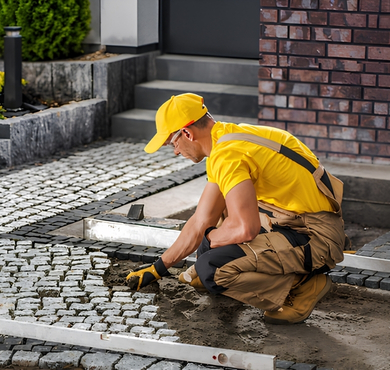
Walkway sub-base and drainage matter because narrow paths can still settle, shift, or collect water. We review soil, slope, runoff, stone thickness, and bedding material before setting pavers, slabs, or flagstone.
Garden path edge restraint systems prevent stones or pavers from spreading into planting beds and lawns. Edges also help the path feel finished, especially where mulch, gravel, turf, or garden borders meet the hardscape.
Walkway slip-resistance standards, lighting, surface texture, and step rhythm affect how safe the path feels in daily use. Stone slab and flagstone walkway techniques should consider wet surfaces, shade, snowmelt, and evening visibility.

- About Our Company
Denver Landscape Path & Pathway Experts With Local Hardscape Experience
Kettle River LLC brings 50 years of exterior construction experience to professional garden path building in Denver, residential walkway and patio installation, natural stone garden walkway construction, and custom paver walkway projects. A path may be smaller than a patio, but a poor layout shows every time someone walks across it.
Material Fit
Colorado climate-resistant materials help paths handle sun, snowmelt, irrigation, foot traffic, and seasonal surface movement.
Pattern Planning
Stone walkway pattern design affects walking comfort, visual rhythm, joint spacing, cuts, and garden-to-patio transitions.
Garden Integration
Integrated garden path landscaping connects planting beds, borders, lighting, and hardscape garden transition zones without visual clutter.
Project Continuity
Full-service path-and-patio project builders can coordinate walkways with patios, seating walls, steps, and other outdoor living features.
- How Bases & Edges Are Shaped
What A Planned Walkway Changes In The Yard
A well-planned walkway provides the yard with better flow, cleaner transitions, and less lawn wear. It can guide guests, connect outdoor features, frame garden areas, and make everyday access feel more natural.
Frequently Asked Questions
How wide should a residential garden path or walkway be?
Width depends on how the path will be used. A narrow garden trail may work for occasional walking, while a main walkway should allow comfortable movement, carrying items, or passing another person. Gates, patios, steps, and furniture areas should be considered when determining the final width.
What materials work well for walkways in Denver’s climate?
Pavers, natural stone, flagstone, and certain slab materials can work when the base, drainage, texture, and joint spacing are planned correctly. Denver’s snowmelt, freeze-thaw cycles, and sun exposure make slip resistance and stable bedding especially important for everyday walkway use.
Can a garden path be permeable to help with drainage?
Yes, permeable paver path installation or open-joint stone layouts can help water move through the surface when the base supports drainage. The soil, slope, aggregate layers, and outlet path still need review, because permeable materials alone do not solve poor grading.
Why do walkway edges spread or become uneven over time?
Edge movement often comes from weak restraints, poor compaction, water washing through joints, lawn pressure, or repeated foot traffic along the border. A good path needs edge control and base support, even when it is only used for walking.
When should pathway lighting be planned for a walkway or garden path?
Lighting should be planned before installation whenever possible. Fixture placement, wiring routes, step visibility, planting beds, border stones, and transformer access are easier to coordinate before pavers, flagstone, mulch, or garden edging are finished.

- Planning A New Project?