
- Home
- Natural Stone Installation
Natural Stone Installation Services In Denver, CO
Natural stone does not install like a manufactured unit. Thickness, grain, surface texture, edge shape, and moisture behavior all change the work. Natural stone installation services in Denver, CO, need careful stone selection, cutting, base support, drainage planning, and setting methods matched to the project.
- For Patios, Walls, Walkways & Features
Stone Installation Starts With The Material’s Irregularities
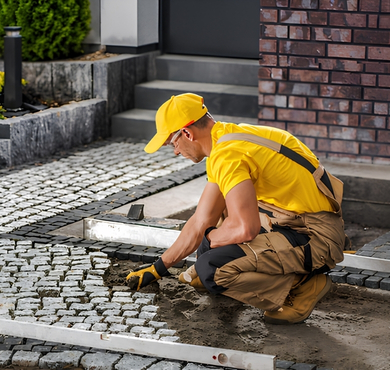
A good stone project does not fight the material. Flagstone, fieldstone, veneer, cladding, and cut stone each bring different thicknesses, faces, weights, and setting demands. Kettle River LLC handles residential stone hardscape installation with attention to how the stone will sit, drain, weather, and connect to the rest of the landscape.
Natural stone cutting and shaping decide how cleanly pieces meet at corners, borders, steps, walls, and patio edges. The goal is not to erase the stone’s character, but to control awkward gaps and unstable contact points.
Stone sub-base and drainage matter because natural pieces rarely share identical thickness. Patios, walkways, and flatwork need support below each piece, while wall and veneer work need water managed behind the finished face.
Mortar vs dry-stack stone installation depends on the feature, load, finish style, and repair expectations. Dry-stack can suit garden walls or rustic features, while mortared stone may be better for facades, steps, caps, and tighter masonry details.
Natural stone sealing and maintenance should be tailored to the stone type, exposure, and surface use. Some stones absorb moisture quickly, some darken with sealer, and some need more attention where shade, irrigation, or snowmelt keeps the surface damp.

- About Our Company
Denver Natural Stone Masonry Services With Field-Level Installation Judgment
Kettle River LLC brings 50 years of exterior construction experience to custom natural stone paving, professional stone facade installation, custom stone wall and feature installation, and full-service natural stone projects. Stone rewards careful hands: rushed layout shows in uneven joints, rocking pieces, thin corners, and disconnected transitions.
Material Reading
Stone texture and finish variations guide where each piece should be used, from walkable surfaces to vertical features.
Weather Fit
Colorado weather-resistant stone materials need to be selected with freeze-thaw exposure, sun, shade, and moisture in mind.
Veneer Skill
Stone veneer and cladding techniques require surface prep, adhesion control, moisture paths, corner returns, and cap coordination.
Layout Control
Architectural stone layout planning connects patios, walls, walkways, facades, garden edges, and outdoor masonry features with cleaner transitions.
- Setting Drains & Sealing
How Stone Installation Is Done Right
Natural stone can bring depth, texture, and a built-in sense of place to outdoor surfaces and vertical features. The strongest installations respect the material’s variation while controlling the practical details that keep stone stable, readable, and easier to maintain.
Frequently Asked Questions
How is natural stone installation different from installing manufactured pavers or blocks?
Natural stone varies in thickness, edge shape, texture, and weight, so the installer must adjust fitting, bedding, joint width, and finished height in the field. Manufactured units are more uniform. Stone work needs more judgment during layout, cutting, and setting.
When should natural stone be mortared instead of dry-stacked or dry-set?
Mortar may be better for facades, steps, caps, tight joints, and features that need a fixed face. Dry-stack or dry-set methods can suit certain garden walls, patios, or rustic features. The decision depends on drainage, movement, use, and the desired finish.
Why do some natural stone surfaces become uneven or loose over time?
Movement can come from weak base support, water under the stone, freeze-thaw pressure, poor fitting, thin unsupported edges, or joint washout. Natural stone needs proper bearing beneath each piece, especially where irregular thicknesses make the surface harder to level.
Does natural stone always need sealing after installation?
Not always. Sealing depends on stone type, porosity, exposure, use, and desired appearance. Some sealers darken stone, while others are more natural-looking. Sealing can help with staining and moisture absorption, but it cannot fix drainage, base, or installation problems.
How should new natural stone be matched with existing hardscape?
Matching should consider stone color, scale, thickness, surface texture, joint style, nearby brick or pavers, wall caps, and weathered materials already on-site. A complementary match often looks better than forcing a new stone to imitate old material exactly.

- Planning A New Project?