
- Home
- Brick & Stone Masonry
Brick & Stone Masonry Craftsmanship In Denver, CO
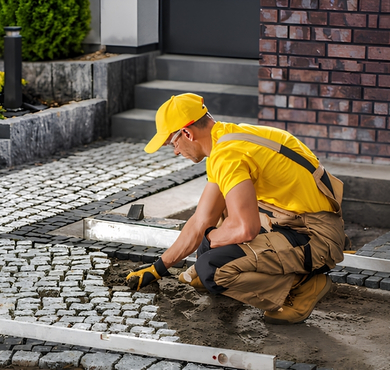
Some masonry looks flat because every stone was treated like filler. Good brick and stone work has rhythm: joint spacing, texture, proportion, corner returns, cuts, and pattern direction all matter. Brick and stone masonry craftsmanship in Denver, CO, should feel intentional up close and from across the yard.
- Creative & Custom Outdoor Features
Craftsmanship Shows In The Lines, Joints, Cuts & Texture
Brick and stone masonry is not only about stacking material. It is about how each piece meets the next, how the joints are finished, how corners turn, and how the work fits the home. Kettle River LLC brings 50 years of exterior construction experience to custom stone and brick craftsmanship in Denver.
Hand-laid stone masonry depends on judgment in placement. Stone shape, face texture, thickness, and edge character decide how each piece fits into the wall, border, feature, or outdoor hardscape surface.
Bespoke brickwork patterns can make masonry feel traditional, modern, or highly architectural. Running bond, stacked bond, soldier courses, borders, and accent bands should be selected around scale, setting, and visual movement.
Masonry joint and pointing precision affects both finish and weather performance. Joint depth, tooling style, mortar color, and clean pointing can make brick and stone detailing look refined instead of rough or patched.
Heritage masonry restoration skills matter when old brick or stone needs repair without losing its character. Matching material, joint style, weathered texture, and existing pattern is often harder than starting new.

- About Our Company
Denver Custom Masonry Craft Specialists With Field-Built Skill
Kettle River LLC handles artisan brick and stone masonry services, professional stone and brick detailing, expert stone and brick feature building, and fine masonry craftsmanship for homes. The work is guided by material behavior, hand fitting, finish control, and the integration of masonry into the larger hardscape.
Craft Detail
Artisan masonry texture finishes depend on careful stone selection, brick alignment, joint tooling, and surface rhythm.
Cutting Skill
Custom stone cutting and shaping help masonry features fit corners, caps, transitions, and irregular outdoor layouts.
Design Fit
Hardscape masonry aesthetic design connects brick and stone features to patios, garden walls, walkways, and outdoor kitchens.
Built Balance
Integrating structural and decorative brickwork keeps masonry attractive without compromising support, drainage, weather resistance, or long-term use.
- Cut, Joint, Pattern, Texture
What Skilled Brick And Stone Work Changes Outside
Craft-level masonry adds definition, depth, and permanence to exterior spaces. A well-built stone wall, brick feature, border, column, or hardscape detail can make the surrounding patio, walkway, or garden feel more complete.
Frequently Asked Questions
What separates brick and stone craftsmanship from basic masonry installation?
Craftsmanship is visible in the details: joint spacing, stone fitting, brick alignment, corner returns, mortar color, cut quality, and texture balance. Basic installation may secure the material, but crafted masonry also controls proportion, rhythm, and the feature’s relationship to the surrounding hardscape.
Why does mortar joint precision matter so much in brick and stone work?
Mortar joints affect appearance, moisture behavior, shadow lines, and how cleanly the masonry reads from close range. Poor pointing can make even good material look unfinished, while precise joints help brick and stone features feel intentional, weather-aware, and easier to maintain.
Can traditional and modern masonry techniques be combined on one project?
Yes, but the design needs control. Traditional brick bonds, natural stone faces, cleaner modern lines, and custom caps can work together when scale, color, joint style, and material transitions are planned. Without that coordination, the masonry can feel mismatched.
How should new brick or stone work be matched to older masonry?
Matching older masonry means looking beyond color. The contractor should study brick size, stone face texture, mortar tone, joint profile, weathering, pattern direction, and cap details. Sometimes a complementary match looks better than forcing a new material to imitate age poorly.
When is masonry restoration better than rebuilding the whole feature?
Restoration can work when most of the brick or stone is stable, and the problem is limited to joints, loose sections, stains, or localized damage. Rebuilding is usually better when the base has moved, moisture damage is widespread, or the feature no longer holds its shape.

- Planning A New Project?