
- Home
- Stone Driveway Installation
Natural Stone Driveway Installation In Denver, CO
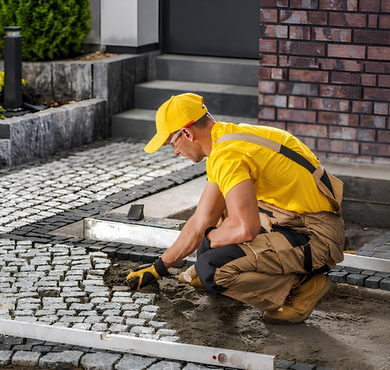
A stone driveway has to do two jobs at once: carry vehicles and look intentional from the street. For natural stone driveway installation in Denver, CO, the important decisions are made in the base, edging, slope, compaction, and stone type before the finished surface is visible.
- For Durable, Curb-Facing Hardscapes
Why Stone Driveways Need Drainage & Edge Control Working Together
Natural stone can create a driveway with a heavier, more custom exterior presence, but it has to be built around movement. Tire pressure, runoff, freeze-thaw cycles, and the behavior of loose aggregate all influence how to plan a durable stone driveway for residential use.
Natural stone’s load-bearing capacity depends on the stone type, thickness, setting method, and the supports below. Driveway surfaces need more than visual weight; they need a base that handles parking, turning, and repeated daily use.
Denver aggregate and stone driveways can help manage water when the base and grading are planned correctly. Permeable aggregate drainage needs the right stone layers, compacted support, slope, and outlet path, not just loose stone spread over soil.
Driveway border edging keeps stone surfaces from spreading into lawns, garden beds, walkways, or street edges. Without a controlled border, tire pressure and runoff can push stones out of place, making the driveway look unfinished.
Decorative stone driveway construction can use texture, color, layout, and border details to enhance curb appeal without sacrificing functionality. The finish should match vehicle use, maintenance expectations, drainage needs, and surrounding hardscape stone features.

- About Our Company
Residential Stone Driveway Contractors With Practical Masonry Experience
Kettle River LLC brings 50 years of exterior construction experience to new stone driveway paving in Denver, residential stone masonry driveway services, and custom natural stone driveway builds. Stone driveway work calls for field judgment: too loose, and the surface migrates; too fixed, and drainage may suffer.
Stone Fit
Our team matches natural stone, aggregate, or stone paver choices to driveway use, grade, appearance, and maintenance needs.
Grade Control
Driveway slope and grading help water leave the surface without cutting channels, washing borders, or collecting near the garage.
Base Method
Crushed stone base preparation and aggregate compaction methods help support traffic while controlling subsurface movement.
Edge Planning
Hardscape stone driveway specialists focus on borders, restraints, transitions, and finished lines that keep the driveway contained.
- Proper Stone & Grading
How Natural Stone Works Correctly
A natural stone driveway can add texture, drainage flexibility, and a more distinctive front exterior. The strongest results are achieved when base support, stone stabilization, edging, and slope are planned as a single, integrated system.
Frequently Asked Questions
Is natural stone practical for a residential driveway?
Natural stone can be practical when the stone type, base depth, compaction, edging, and grading match vehicle use. The driveway should be planned for load, water movement, and maintenance from the start, not treated like decorative landscape stone.
What keeps a stone driveway from spreading or migrating over time?
Stone movement is controlled through compacted base layers, proper stone sizing, driveway border edging, slope management, and regular maintenance. Open edges, heavy-turning areas, and runoff paths are where stone usually starts moving first.
Are permeable aggregate drainage systems useful for Denver driveways?
They can be useful when soil, slope, aggregate depth, and outlet paths support drainage. Permeable stone systems need planned layers and compaction; otherwise, water may collect below the surface, soften weak areas, or move material out of place.
How does a natural stone driveway compare with concrete or paver driveways?
Stone can offer stronger texture, drainage flexibility, and a less uniform appearance. Concrete gives cleaner slab coverage, while pavers offer defined patterns and easier unit replacement. The best option depends on driveway use, maintenance tolerance, grading, and design preference.
What maintenance does a stone driveway need after installation?
Maintenance may include raking displaced material, refreshing stone in traffic zones, checking edges, clearing drainage paths, and watching for low spots. If the driveway uses stone pavers or masonry details, sealing, joint care, or targeted resetting may also be needed.

- Planning A New Project?