
- Home
- Paver Driveway Construction
Paver Driveway Construction Services In Denver, CO
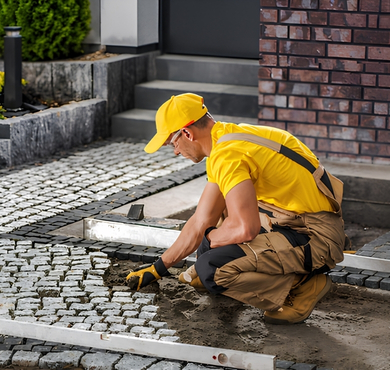
A driveway paver field has to lock together under moving weight, not just look neat from the curb. Paver driveway construction services in Denver, CO, require decisions on base depth, slope control, joint stability, and edge restraint that match vehicle traffic.
- How Paver Driveway Fails
Planning Durable Paver Driveways For Long-Term Outdoor Look
Patio pavers mostly deal with feet, chairs, and weather. Driveway pavers handle parked weight, turning tires, snowmelt, and repeated foot traffic. Kettle River LLC builds durable paver driveway systems around driveway sub-base engineering, interlocking stone stability, drainage slope, and vehicle use of the surface.
Vehicular load-bearing pavers need the right thickness, base depth, and compaction sequence. A driveway should be planned around where vehicles park, turn, brake, and cross the same path every day.
Driveway edge restraint systems do quiet work, but they matter. Turning tires push outward, especially near garage aprons, borders, curves, and open edges. Without restraint, the paver field can creep sideways over time.
Driveway drainage and slope grading should be resolved before the first paver is set. Water moving through joints, down the driveway, or toward the garage can affect base stability, joint sand, and winter surface conditions.
Custom driveway stone layouts are more than pattern choices. Herringbone, running bond, borders, and color breaks affect traffic direction, curb appeal, paver cuts, and where the surface needs the most resistance.

- About Our Company
Interlocking Driveway Paver Contractors With Construction-Site Judgment
Kettle River LLC brings 50 years of exterior-building experience to new paver driveway construction, residential stone driveway builds, and hardscape driveway paving. Our work focuses on what the finished surface must withstand: loads, water, joints, edges, and maintenance.
Base Engineering
Driveway sub-base engineering considers excavation depth, aggregate support, compaction, bedding layers, and vehicle load paths.
Stone Stability
Interlocking stone stability depends on paver fit, pattern geometry, joint sand, compaction, and border restraint.
Drainage Options
Permeable paver driveway systems may help with runoff, but soil, slope, base depth, and maintenance must be reviewed first.
Maintenance Planning
Paver joint sealing requirements, cleaning, and driveway longevity maintenance should be planned before the surface starts losing sand.
- Properly Planned Driveways
Why Homeowners Choose Paver Driveway Systems
A paver driveway can offer pattern, repair flexibility, and stronger design control than a plain surface. When the system is built for vehicle load, individual sections can be serviced without replacing the whole driveway.
Frequently Asked Questions
Why do paver driveways need a different base than paver patios?
Driveways handle parked vehicles, turning tires, repeated load paths, and edge pressure. That means the base usually needs deeper excavation, stronger aggregate support, tighter compaction control, and more attention to edge restraint than a patio or walkway surface.
When is hardscape renovation better than resetting a few loose pavers?
Edge creep usually comes from weak restraints, tire turning pressure, poor compaction, or water softening the base near borders. Once the outer courses move, joints can open, sand can wash out, and the driveway field may begin shifting inward.
Are paver driveways easier to repair than concrete driveways?
Often, yes. Damaged or settled pavers can usually be lifted, the base corrected, and the same or matching units reset. Concrete repairs are usually more visible because damaged sections often need patching, cutting, or slab replacement.
What paver pattern works best for a driveway surface?
Herringbone is commonly used for driveways because its angled pattern handles turning pressure well. Running bond or decorative patterns may work in certain areas, but high-stress zones near garages, aprons, and curves need pattern choices that support interlock.
Can permeable paver driveway systems work in Denver?
They can work when soil drainage, slope, base depth, and outlet paths support water movement. Permeable systems are not just wider joints; they require a drainage-focused base and maintenance plan to prevent clogging, washout, or trapped moisture.

- Planning A New Project?