
- Home
- Driveway Installation
Driveway Installation Services In Denver, CO
A driveway takes more punishment than most hardscape surfaces: vehicle loads, tire turning, snowmelt, runoff, and edge pressure all take their toll over time. Driveway installation services in Denver, CO, require subgrade compaction, drainage planning, and material choices that align with how the property is actually used.
- Trusted Hardscaping Company In Colorado
How A Well-Planned Driveway Construction Project Changes Your Home’s Look
The weak points of a driveway usually appear near the garage apron, street approach, edges, low spots, and turning areas. Kettle River LLC plans a new driveway building around access, grade, surface load, water movement, and the type of finish that makes sense for the home.
Heavy-duty residential driveways need different planning than patios or walkways. We review where vehicles park, turn, reverse, and sit for long periods, then match the base and surface to those load patterns.
Driveway grading and leveling determine how water moves and how vehicles transition from the street to the garage. A poor pitch can leave puddles, scrape low vehicles, or send runoff toward the wrong part of the property.
Concrete driveway installation, interlocking paver driveways, brick driveway installation, and stone driveway construction each have distinct characteristics. The right surface depends on load, appearance, repair needs, drainage, budget, and surrounding landscape driveway borders.
Driveway expansion and extension should not look like a strip added after the fact. Extra parking, wider access, or a new vehicle path requires layout planning that matches elevation, ensures drainage continuity, and provides compatible surface support.

- About Our Company
Why Denver Homeowners Call Our Driveway Construction Contractors
Kettle River LLC brings 50 years of exterior construction experience to driveway replacement services in Denver, custom driveway design-and-build projects, surfacing work, and residential drainage solutions. A driveway has to carry weight first; curb appeal comes after the support system is right.
Base Prep
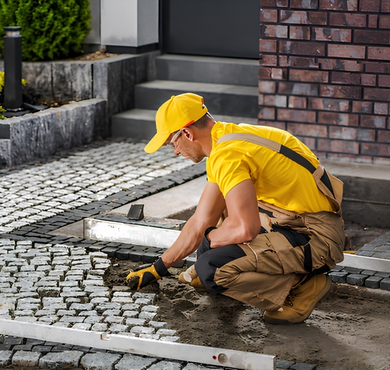
Driveway base preparation includes subgrade review, aggregate support, compaction, and surface planning before the visible material is installed.
Drainage Work
Water should move off the driveway without collecting near the garage, washing borders, or softening the base.
Material Fit
Asphalt vs paver driveways, concrete, brick, and stone each offer different repair, appearance, and maintenance tradeoffs.
Edge Support
Structural driveway support includes borders, restraints, grading transitions, and edge planning where tires create side pressure.
- Grading Outdoor Surfaces
How Proper Driveway Changes Your Outdoor Look
A well-planned driveway improves vehicle access, manages water runoff, and provides a cleaner working surface for the front exterior. The best result is not only visual; it is easier parking, safer movement, and fewer surface failures.
Frequently Asked Questions
Why do driveways crack, sink, or break near the garage first?
Garage aprons often take repeated vehicle weight, turning stress, water runoff, and elevation transitions. If the subgrade is weak, the base is thin, or drainage collects near the apron, that area can crack, settle, or separate faster than the rest of the driveway.
Should a homeowner choose concrete, pavers, brick, or stone for a new driveway?
Concrete works well for clean coverage, pavers allow targeted replacement, brick adds pattern and texture, and stone creates a more custom surface. The best choice depends on vehicle load, maintenance expectations, drainage, budget, curb appeal goals, and surrounding hardscape materials.
When is driveway replacement better than resurfacing?
Replacement is usually better when cracks are deep, sections have settled, drainage is poor, edges are breaking, or the base has failed. Resurfacing may improve appearance, but it will not correct weak subgrade, poor pitch, or repeated structural movement below the surface.
What should be planned before expanding or extending a driveway?
Expansion planning should review vehicle turning space, property lines, drainage direction, grade changes, existing surface height, border treatment, and how the new area connects to the original driveway. The added section needs its own base support, not just a surface patch.
Are permeable paving options useful for residential driveways in Denver?
Permeable paving can help manage runoff when the soil, slope, base depth, and outlet path support drainage. It is not right for every driveway. A contractor should review water flow, vehicle load, maintenance needs, and surrounding grade before recommending it.

- Planning A New Project?