
- Home
- Paver Repair & Restoration
Paver Repair & Restoration Services In Denver, CO
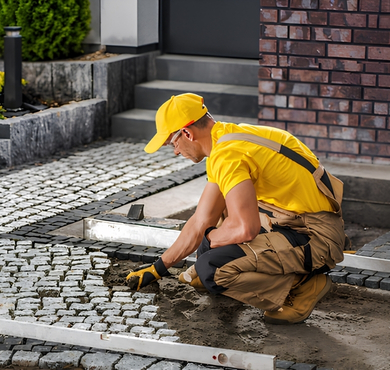
Sunken pavers, widening joints, stained surfaces, and creeping edges are usually signs of a deeper field problem. For paver repair and restoration services in Denver, CO, Kettle River LLC looks at base movement, joint sand loss, broken units, edge restraint, and drainage before resetting or sealing the surface.
- For Sunken, Loose & Weather-Worn Surfaces
Restoring Pavers And Patios For A New Outdoor Look
A paver surface can look worn for several reasons: washed-out joint sand, compacted bedding, base voids, weak edge restraint, broken units, or water moving under the field. Our repair process first traces the failure, then uses lifting, re-leveling, cleaning, sealing, or replacement where the surface actually needs them.
Sunken paver patio repair starts by reading the low spots. A dip near a downspout, patio edge, or driveway apron often indicates water movement, bedding loss, or sub-base weakness rather than simple surface wear.
Paver joint sand and sealing repair helps restore the lock between units. When joints wash out, weeds appear, or edges start to spread, applying polymeric sand and stabilizing joints may help before the paver field loses alignment.
Broken paver stone replacement needs careful extraction, especially when surrounding units are still usable. We remove damaged pieces, check the bedding below, match replacement material where possible, and reset the area without disturbing more of the field than necessary.
Paver surface cleaning and repair can remove buildup, but cleaning alone will not fix movement. Stone surface pressure washing, sealing, and protection work best after loose units, low areas, joint loss, and edge restraint issues are addressed.

- About Our Company
Professional Paver Repair Contractors Who Look Below The Surface
Kettle River LLC brings 50 years of exterior construction experience to residential paver restoration in Denver, driveway paver restoration, custom paver masonry restoration, and hardscape rehabilitation. Repair work is not guessing; it is diagnosis, correction, reset, and finish protection.
Leveling Work
Expert paver lifting and re-leveling corrects uneven sections while preserving usable units whenever the base can still support repair.
Base Review
Sub-base foundation repair may be needed when settling keeps returning after resets, especially near runoff paths or loaded driveway areas.
Edge Maintenance
Paver edge restraint maintenance helps stop creeping borders, open joints, and spreading patterns before the surface loses its shape.
Weather Wear
Denver paver maintenance services help manage staining, joint erosion, freeze-thaw movement, and weather-worn masonry rejuvenation over time.
- Resetting Outside Resurfaces
What Paver Restoration Can Fix
Good restoration can recover surfaces with localized settlement, loose joints, broken units, staining, or minor edge movement. It can also extend the usefulness of a paver patio, walkway, or driveway when the underlying field is still worth saving.
Frequently Asked Questions
Why do sunken pavers often return after a simple reset?
If the cause is not corrected, the same area can settle again. Repeated sinking usually indicates water beneath the field, weak bedding material, poor compaction, base voids, or runoff from nearby downspouts, slopes, patios, or driveway edges.
Should pavers be pressure-washed before or after repair work?
Cleaning should usually happen after unstable sections are identified. Aggressive pressure washing before repairs can remove joint sand, loosen already weak areas, or hide the movement pattern. Repairs, joint stabilization, and sealing should be sequenced so that the finished work supports the reset surface.
When does paver repair stop making sense and replacement become smarter?
Repair works when damage is localized, and the base still performs. Replacement is usually smarter when settlement is widespread, edges have failed, drainage remains poor, many units are broken, or the paver layout no longer supports patio, walkway, or driveway use.
How does driveway paver restoration differ from patio paver repair?
Driveway pavers deal with vehicle weight, tire turning, apron stress, and edge pressure. Restoration may require a deeper base review, stronger restraint checks, and careful re-leveling where tires repeatedly load the surface. Patio repair usually focuses more on furniture stability, walking comfort, and drainage.
Does sealing fix loose joints or uneven pavers?
Sealing can help protect the surface and support joint stability after repairs, but it does not correct base settlement, rocking pavers, weak edges, or poor drainage. Loose or uneven sections should be lifted, re-leveled, and stabilized before any sealer is applied.

- Planning A New Project?